Spain · Andalusia
Malaga & Costa del Sol
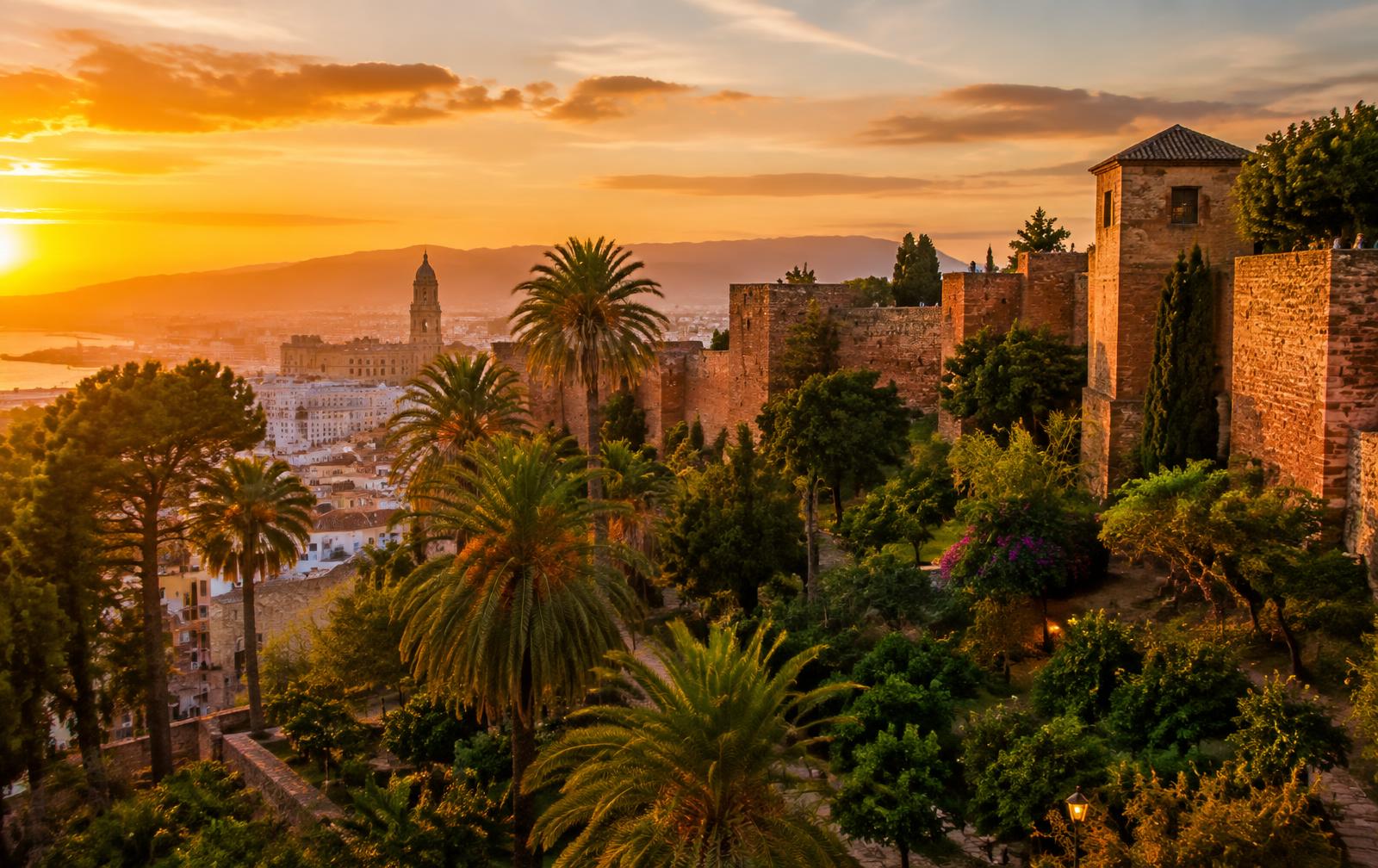
Malaga is the sunny gateway to Andalusia: a Roman theatre and Moorish fortress above a working port, tapas bars that stay loud past midnight, and beaches ten minutes from the old town. I filmed the old town, the Alcazaba at golden hour and day trips along the Costa del Sol.
Best season
April to June and September to October, 20-28 C and far fewer crowds than August.
What it costs
Mid-range. Museum entries 3-12 EUR, tapas dinner with drinks 20-30 EUR per person, decent old-town hotels 90-140 EUR a night.
Getting there
Malaga has its own international airport (AGP) 15 minutes from the centre by train or taxi; high-speed AVE trains connect Madrid in about 2.5 hours.
Getting around
The centre is walkable; local trains (Cercanias) run down the coast to Torremolinos and Fuengirola, and buses reach Ronda and Nerja.
Highlights
- Alcazaba fortress and Roman theatre at golden hour
- Picasso Museum in his birthplace city
- sunset from the Gibralfaro viewpoint
- Malagueta beach
- day trip to Ronda or Nerja
Local tips
- Book the Alcazaba free-entry Sunday slot early
- eat where menus are only in Spanish
- the port promenade (Muelle Uno) is best at dusk.
What to eat
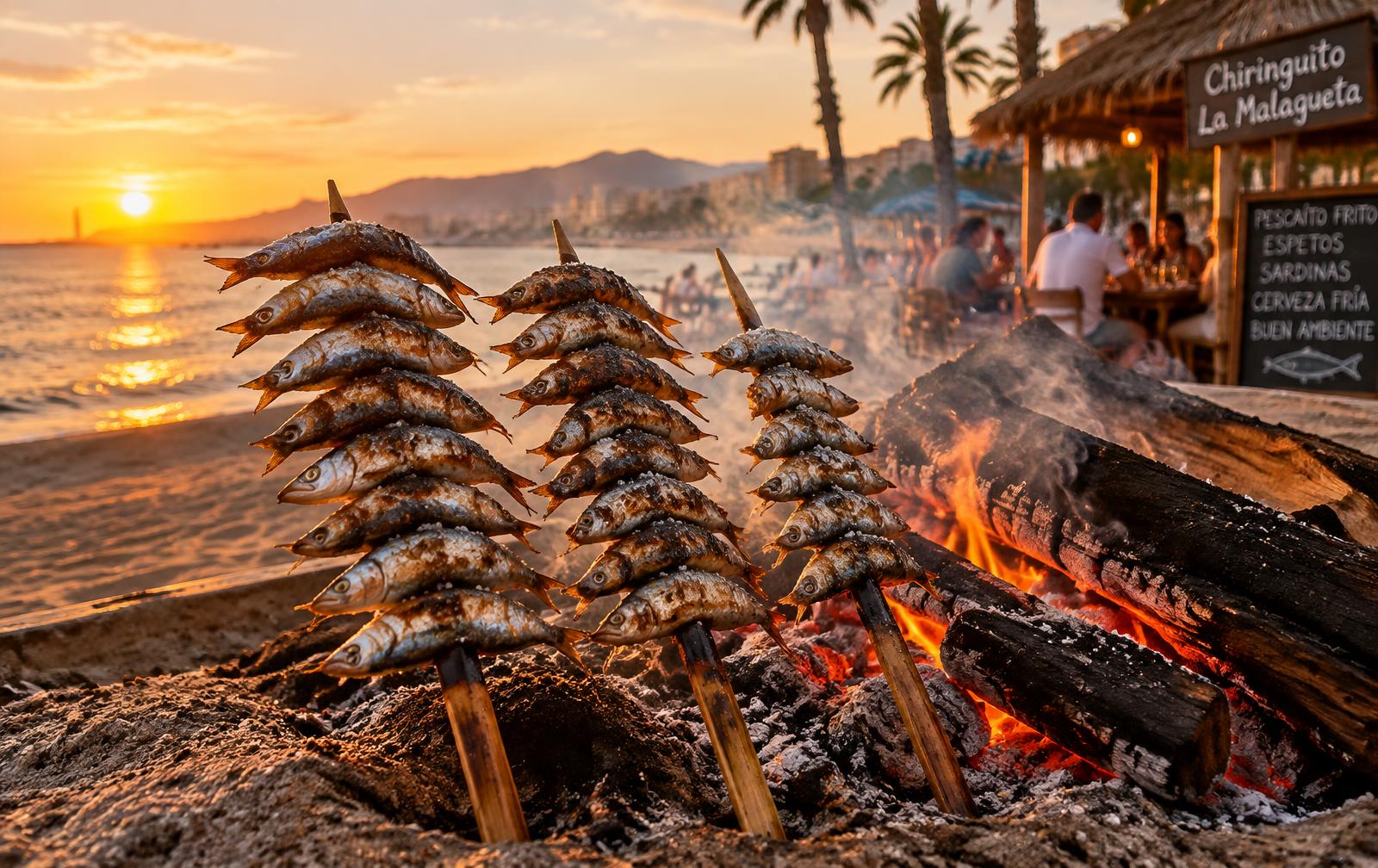
- Espeto sardines at Chiringuito New Varadero, El Palo
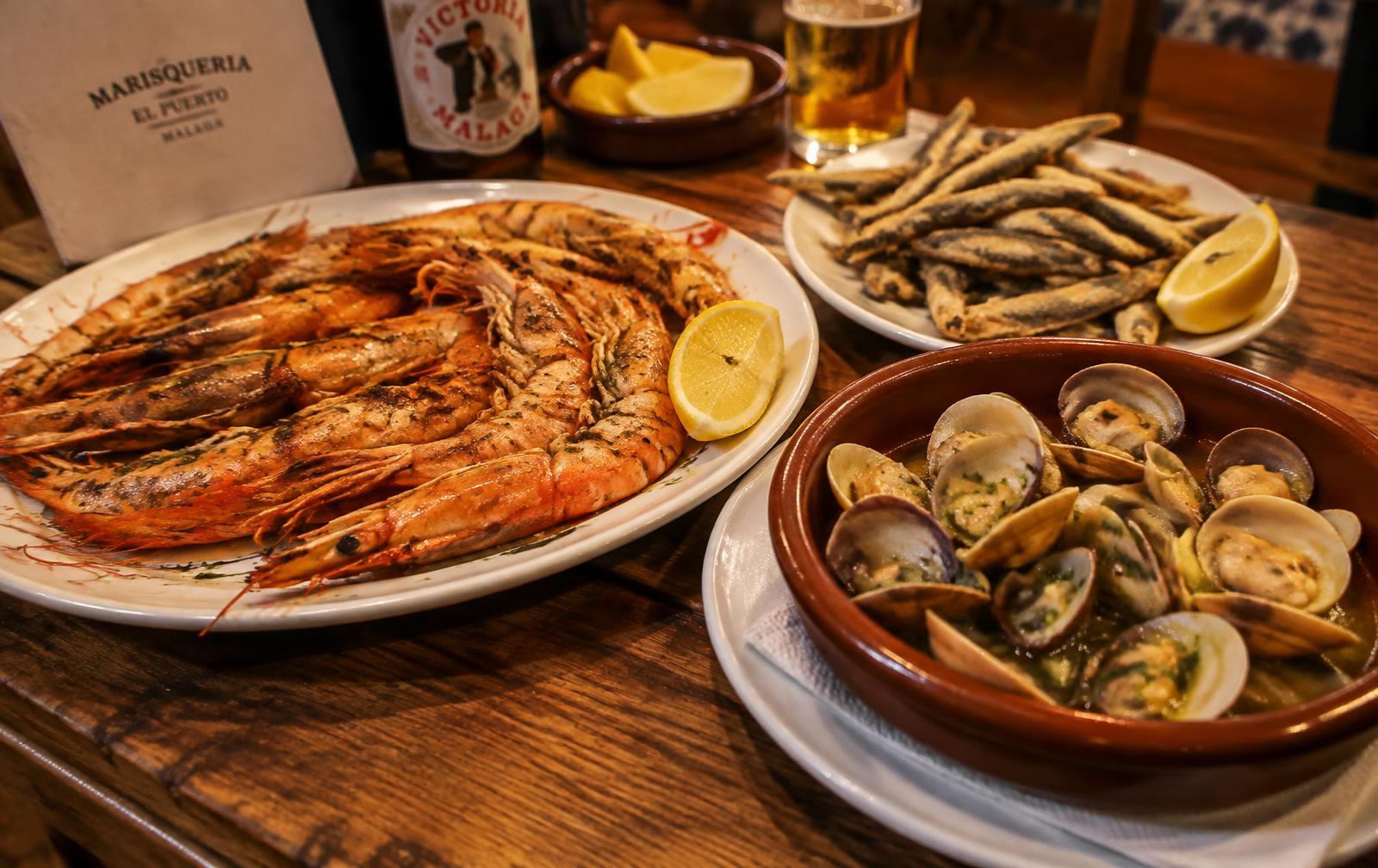
- grilled prawns and boquerones at Casa Manuel de la Lonja, El Palo
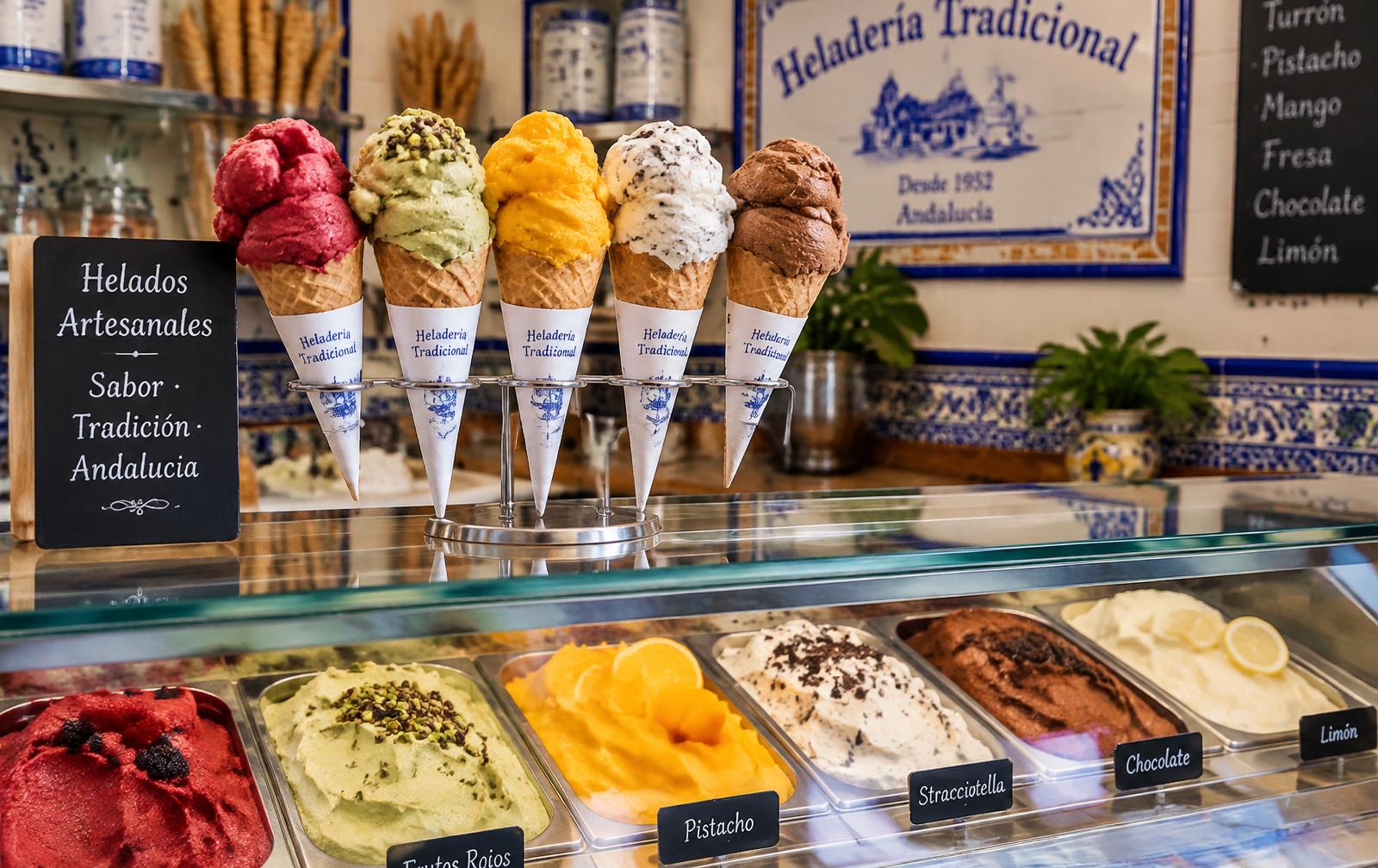
- artisanal ice cream at Helados Cremades El Palo
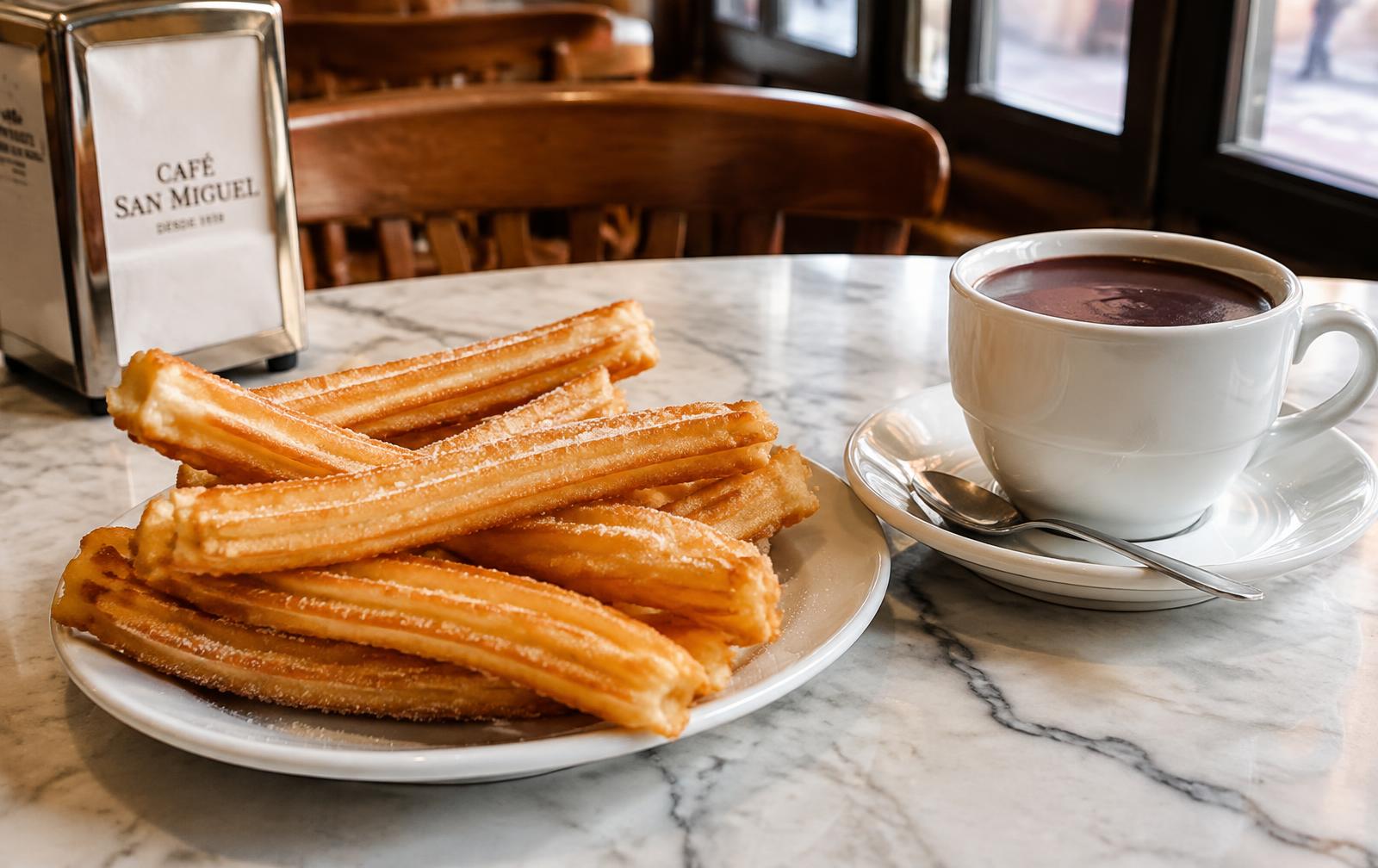
- churros con chocolate at Casa Aranda in the old town
- porra antequerana and tinto de verano at any old-town tapas bar
Where to stay
- Old town boutique hotels near Calle Larios
- beachside stays in Pedregalejo for a local feel.
Sample itinerary
Day 1: old town, cathedral and Picasso Museum, tapas crawl on Calle Granada. Day 2: Alcazaba and Gibralfaro, sunset at the port. Day 3: day trip to Ronda or Nerja and its Balcon de Europa.
My food spots
Where I actually ate in Malaga
Four places I went back to — tap a card to open it in Google Maps.
See my Malaga food guide